


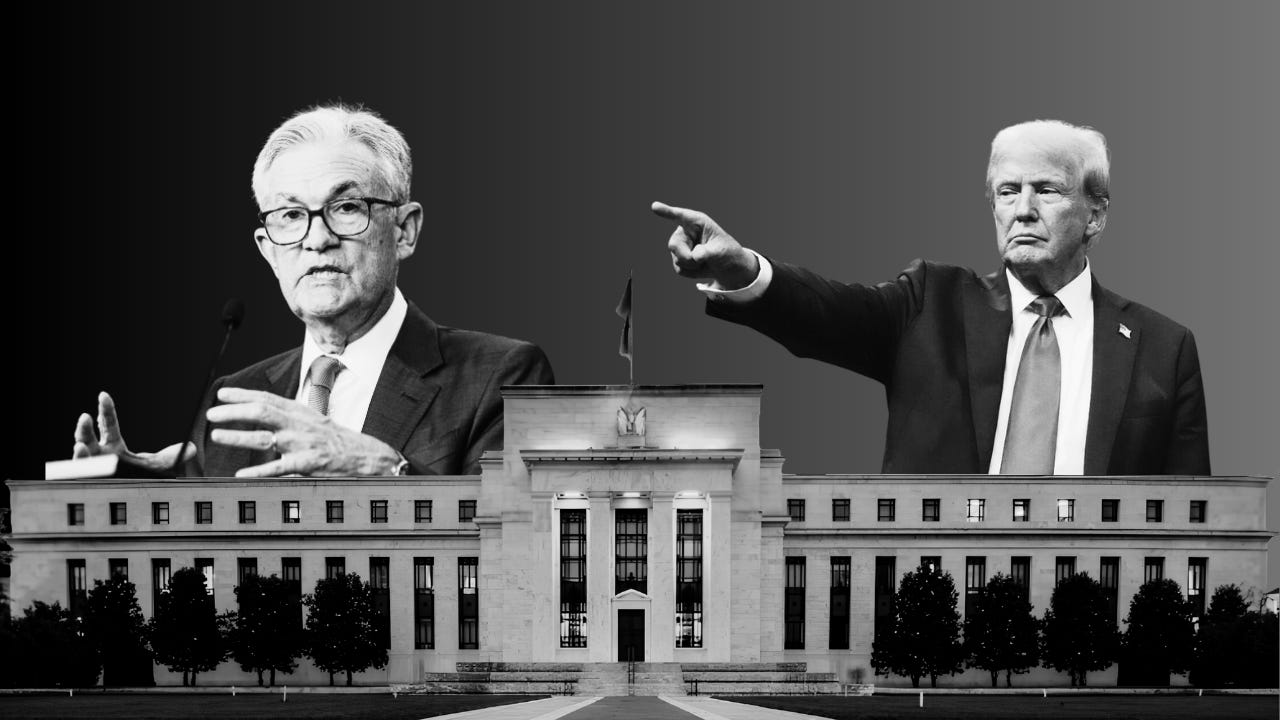
On Wednesday, May 13th, the Senate confirmed President Trump’s nominee, Kevin Warsh, as Chairman of the Federal Reserve. Warsh will replace Jerome Powell as Fed Chair on May 15th. What shocked many analysts was not the replacement of Jerome Powell, but the fact that Powell has decided to stay on the Board of Governors. According to Powell, as reported by Fox Business, he will not be a “shadow Fed chair” and plans to “keep a low profile as a governor.” However, it is no secret that Powell sees the Trump Administration as dangerous to the Federal Reserve’s independence, stating in a video, posted in January, addressing the public, “[the president’s] unprecedented action should be seen in the broader context of the administration’s threats and ongoing pressure,” and he vowed to continue the job “without political fear or favor.” Powell staying on the Board after his tenure as Chair is historically rare, legally ordinary, and institutionally explosive. It reveals the real battle over the Fed, not just who chairs it, but whether its independence can survive when the presidency begins pressuring the institution.
The disdain these two men have for each other is no secret. But it is important to understand the history behind their strained relationship. In 2017, Powell was appointed by President Trump to become the new Fed Chair, although this was criticized at the time, as recent precedent suggested Trump would reappoint Janet Yellen (appointed by President Obama). Powell turned out to be one of President Trump’s biggest thorns in his side. Powell was not only an institutional investor and private equity alumnus, but what made him such a nuisance for Trump was his ability to ignore threats, fear-mongering, and a phoney investigation. Trump has launched countless insults at Powell, calling him “a real dummy,” “a stupid man,” “a total loser,” “Jerome Too Late Powell,” and much more. Powell’s response to Trump is arguably more insulting, as, instead of tweets, Powell is breaking nearly 75 years of precedent by remaining on the Board of Governors. The last comparable example is Marriener Eccles, whose chairmanship ended in 1948, after which he remained on the Board until July, 1951. Although Trump’s actions are far from precedented, the last President who publicly pressured the Fed to this degree was the Nixon Administration. But, unlike Fed Chairman Burns, Powell has remained firm in his stance against prematurely lowering interest rates.
Powell’s new/old position on the Board keeps Trump from appointing a replacement for Powell. This is a strategic move by Powell to protect the Fed’s independence, and although unprecedented, it may not be a bad idea. Presidents come and go, but the independence of the Fed requires constant work and checking the ambitions of those who sit in the Oval Office. Powell was appointed to the Board of Governors in May, 2012 and will likely remain on the board until 2029, assuming he waits out President Trump’s final term.
Although this move likely infuriates President Trump, Powell’s tenure at the Fed makes him an asset, and if incoming Chairman Warsh puts President Trump’s quarrels aside and chooses to utilize Powell’s experience, then the institution may just survive. Whether you love or hate Powell, the man understands the importance of insulating the Fed from political pressure and the desires of politicians whose goal focuses on short-run gains over long-run stability. The Fed was built to resist political pressure, and Powell staying on as a governor may prove whether that design still works or whether the independence itself has become the next battlefield.